Blog

Our BLOG focuses on current safety and health topics providing readers with relevant information and viable solutions for addressing safety concerns. Visit us using your favorite social media platform to contribute to the BLOG or contact us to ask a safety and health-related question.

Do you want to be the first to see our most recent BLOG? Subscribe and we’ll make sure you don’t miss it!

Safety Without Compromise: How Northwest Safety & Risk Services Supports Government Agencies

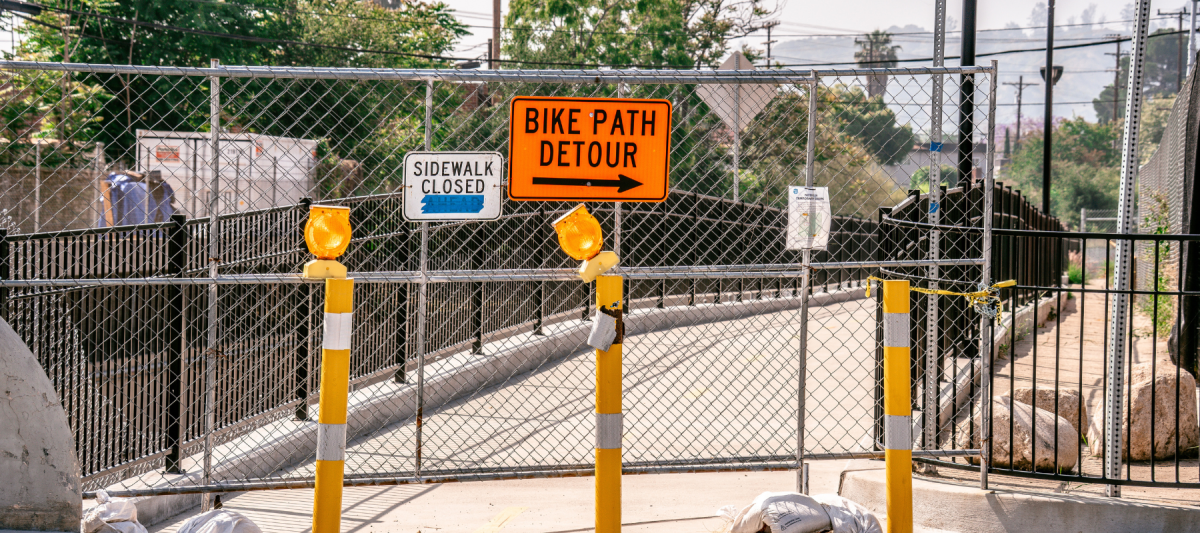
city maintenance work, bridge closed with construction safety cones and signs/postings

Government work takes many forms. A city maintenance crew repairing infrastructure in all weather conditions. Law enforcement officers navigating high-stakes environments daily. Armed forces personnel managing equipment and operations where precision is non-negotiable. Environmental agency teams working in the field alongside hazardous materials. Public health workers moving through unpredictable, high-exposure settings.

What Every Miner Needs to Know About Worksite Safety

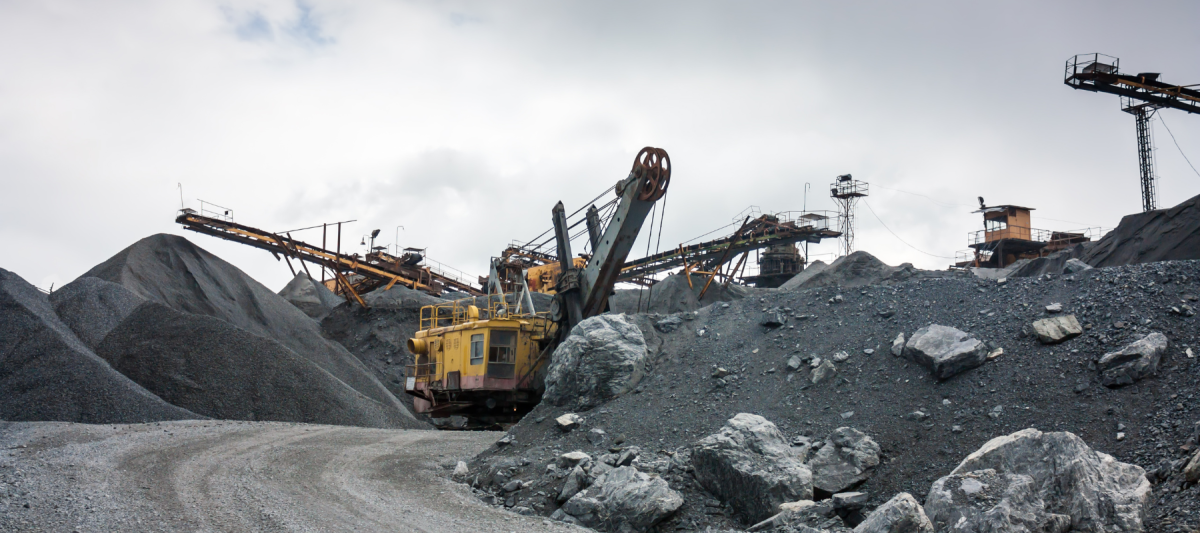
surface mine equipment or surface mining operation

Mining is one of the oldest and most essential industries in human history—and one of the most unforgiving. Whether you're working a hard rock metal operation, a surface quarry, or a nonmetal extraction site, you already know the score: the work is physically demanding, the hazards are real, and the margin for error can be razor thin. At Northwest Safety & Risk Services, we work alongside mining companies and their crews because we believe every miner deserves to clock out the same way they clocked in—healthy, whole, and headed home.

Proper Lifting Techniques Every Worker Should Know

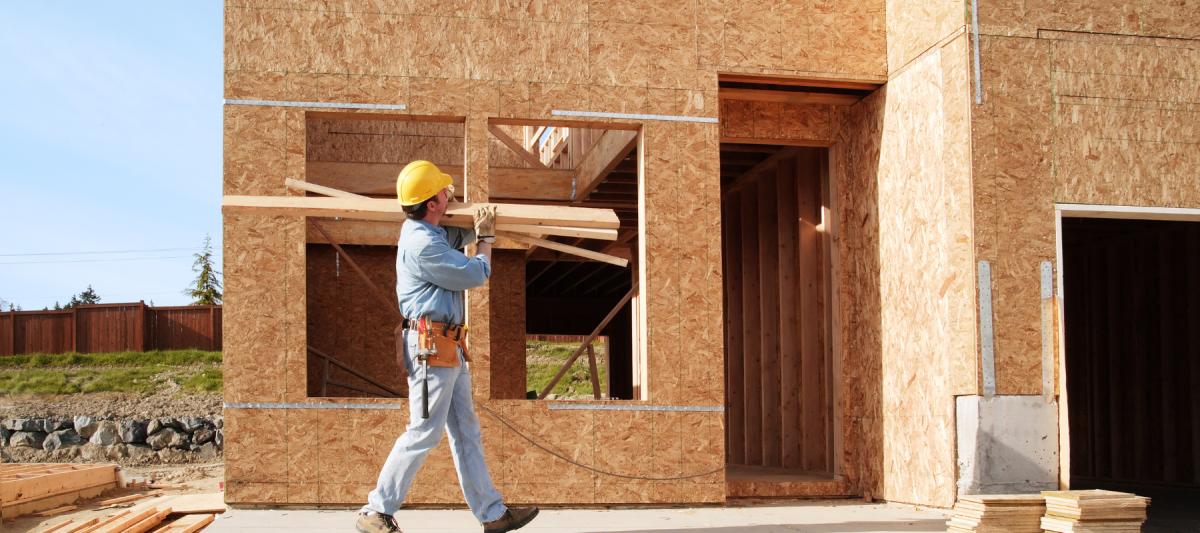
construction worker carrying lumbar

You've seen it happen. Someone bends down to grab a heavy load, twists wrong, and that's the day everything changes: a strained back, a pulled muscle, or worse. On job sites, lifting injuries are one of the most common and most preventable causes of lost work time. At Northwest Safety & Risk Services, we've worked alongside enough crews to know that protecting your body isn't just about following rules. It's about going home the same way you showed up.

Why Accident Investigation Training Isn't Optional on the Job Site

construction accident investigation supervisor clipboard

When an accident happens on a job site, the clock starts ticking. The decisions made in the minutes, hours, and days that follow can mean the difference between a workplace that gets safer and one that repeats the same costly mistakes. That's why accident investigation training isn't a "nice to have" for your team. It's a workplace necessity.

Why Safety Training Should Be Your Company's Priority in 2026

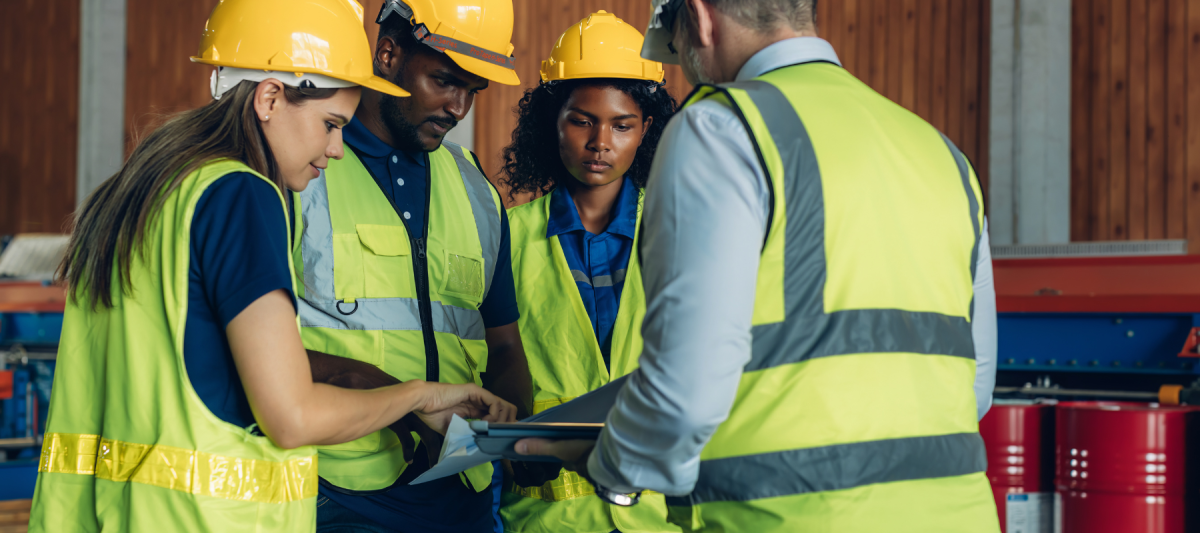
Group of employees talking about workplace safety

As we step into 2026, there's never been a more critical time for companies to invest in comprehensive workplace safety training. The landscape of work continues to evolve, bringing new challenges, technologies, and regulatory requirements that demand our attention. At Northwest Safety & Risk Services, we've seen firsthand how proactive safety training transforms workplaces—and we're here to help you make 2026 your safest, most successful year yet.

The Power of Group Safety Training: Building a Culture of Workplace Safety

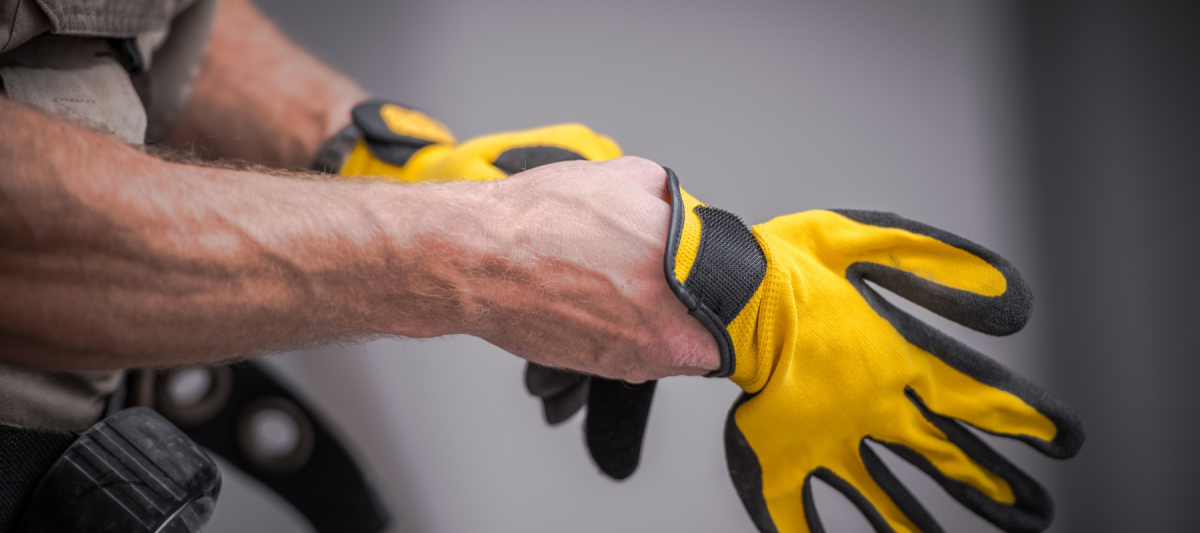
close up of worker putting on gloves or safety equipment, safety training

When it comes to workplace safety, knowledge isn't just power—it's protection. While individual training has its place, group safety training offers unique advantages that can transform your organization's safety culture and significantly reduce workplace incidents. At Northwest Safety and Risk Services, we've seen firsthand how bringing teams together for safety education creates lasting impact that extends far beyond the training room.

Understanding Common Occupational Health Hazards in Construction

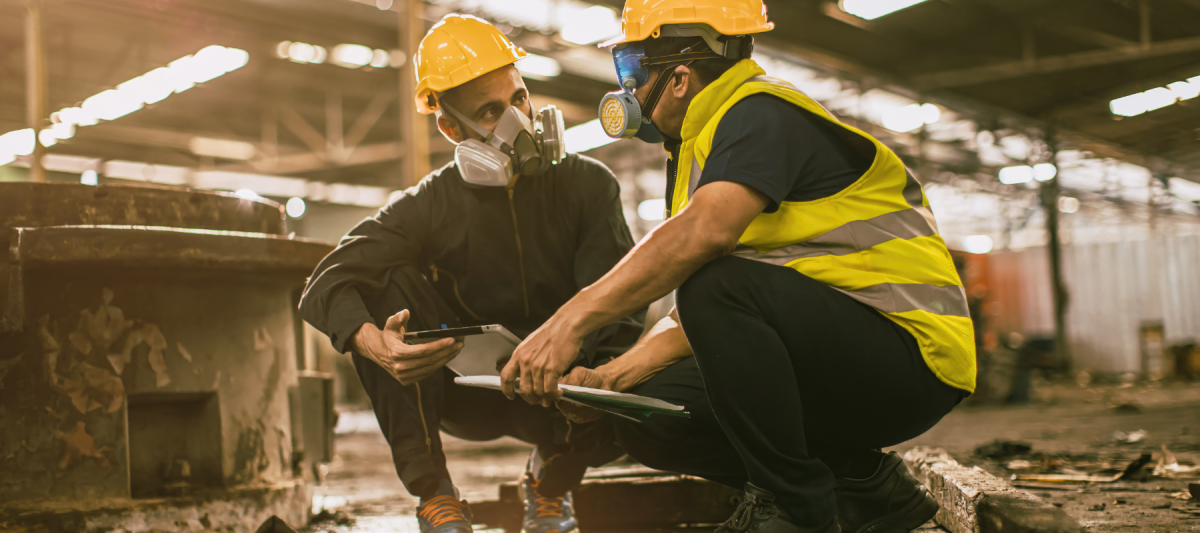
wokers with masks working in unsafe environment, occupational health hazard concept

Construction sites are dynamic environments where progress and productivity drive every project forward. However, beneath the surface of this industry's achievements lies a critical concern that every employer and worker must address: occupational health hazards. Understanding these risks and knowing how to manage them isn't just about regulatory compliance—it's about protecting lives and ensuring everyone returns home safely at the end of each workday.

Don't Let Winter Catch Your Worksite Unprepared: Essential Cold Weather Safety Strategies

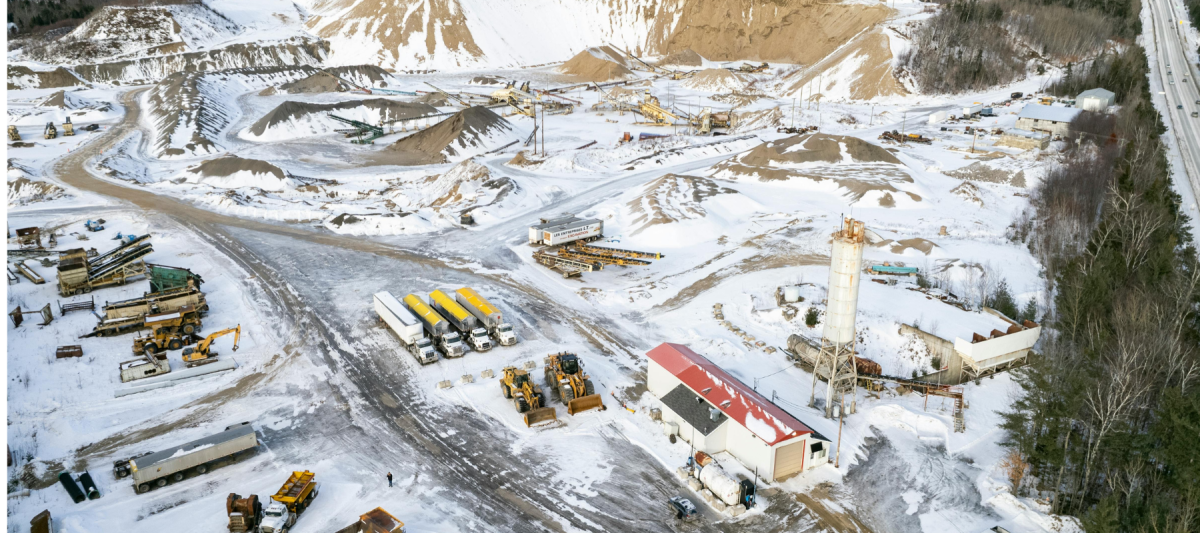
winter jobsite or construction site, snow, winter workplace safety

As temperatures drop and winter weather approaches, outdoor worksites face a unique set of challenges that can put workers at serious risk. While many employers focus on equipment maintenance and project timelines, one critical aspect often gets overlooked until it's too late: comprehensive cold weather safety preparation. The reality is that winter-related workplace hazards cause preventable injuries, illnesses, and even fatalities every year—but with proper planning and training, these incidents can be avoided.

The Hidden Dangers of Agriculture: How to Protect Your Farm Workers

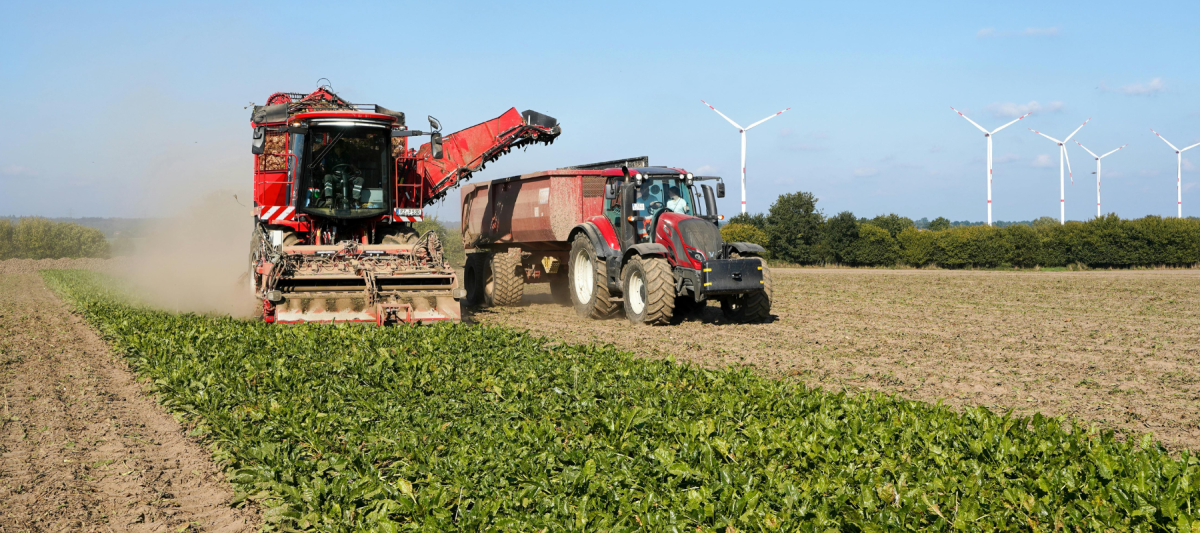
agricultural field and tractors working

Agriculture forms the backbone of America's economy, feeding millions and supporting rural communities across the nation. However, behind the pastoral images of farms and fields lies a sobering reality: agriculture is ranked as the most dangerous industry in the United States, with a fatality rate seven times higher than all other industries combined. For employers in the agricultural sector, understanding these risks and implementing comprehensive safety measures isn't just a regulatory requirement, it's a moral imperative.

Communicating with Spanish-Speaking Workers for Jobsite Safety

group of diverse construction workers talking about jobsite or worksite

The construction industry relies heavily on Spanish-speaking workers, who now comprise approximately 30% of the U.S. construction workforce. Despite their vital contributions to building America's infrastructure, language barriers continue to pose significant safety risks on job sites across the country.

208.465.0215