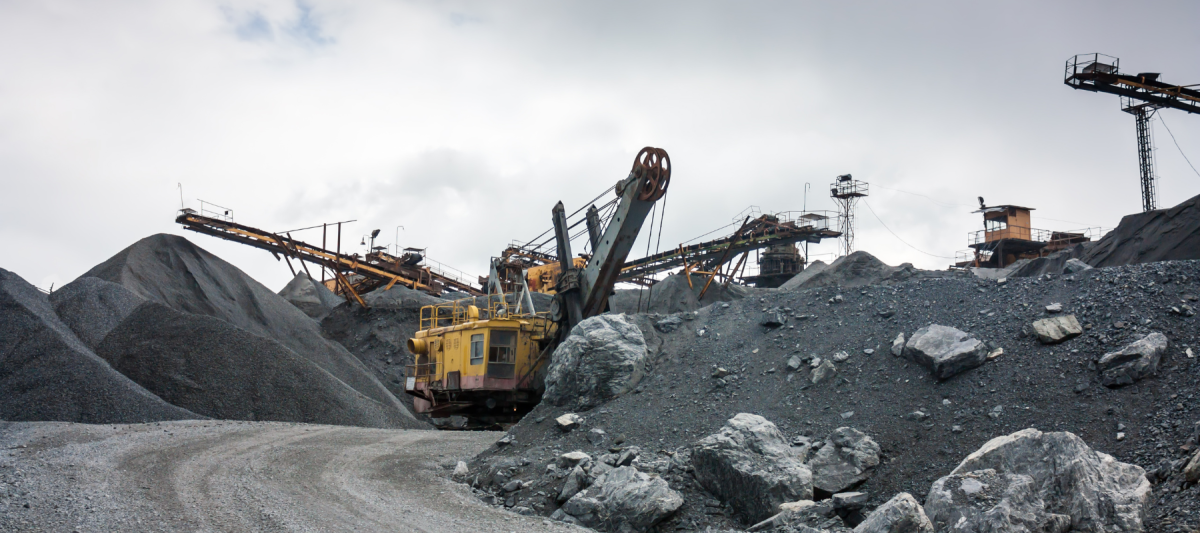
Mining is one of the oldest and most essential industries in human history—and one of the most unforgiving. Whether you're working a hard rock metal operation, a surface quarry, or a nonmetal extraction site, you already know the score: the work is physically demanding, the hazards are real, and the margin for error can be razor thin. At Northwest Safety & Risk Services, we work alongside mining companies and their crews because we believe every miner deserves to clock out the same way they clocked in—healthy, whole, and headed home.
The Hazards Are Real. So Is the Risk of Ignoring Them.
Mining environments present a unique combination of dangers that don't exist in most other industries. Silica dust exposure is a slow, silent threat—breathing it in over months and years can cause silicosis, an irreversible lung disease that claims lives long after the shift ends. Heavy equipment operates in tight quarters where a moment's lapse in communication between a rigger and an operator can be catastrophic. Confined spaces can turn into death traps when atmospheric conditions change without warning. Machine guarding failures are among the most common causes of severe injury on mine sites.
These aren't scare tactics. They're the reality of what you're working around every single day. And the miners who stay safest aren't the ones who take chances—they're the ones who've built safe habits so deeply into their routine that smart decisions become instinct.
Your Body Is Your Most Valuable Piece of Equipment
Here's something worth saying plainly: no paycheck, no production quota, and no deadline is worth your fingers, your lungs, or your life. Experienced miners know this. But in the pressure of day-to-day operations, it's easy to cut corners—to skip a step, to assume a confined space is clear, to skip the signaling protocol because you've worked with this operator a hundred times before.
That's exactly when incidents happen.
Protecting your body on the job starts with awareness—knowing which hazards are present, understanding how they can hurt you, and having the trained reflexes to respond correctly when something goes wrong. It extends to your coworkers too. A near-miss that goes unreported is a future accident waiting to happen. A machine guard that gets bypassed "just this once" becomes the norm. Safety culture isn't built by management alone—it's built by every person on site who speaks up, follows through, and holds the line even when it's inconvenient.
Training Isn't a Checkbox. It's Your Edge.
At Northwest Safety & Risk Services, we take a behavioral-based approach to safety training—because information alone doesn't change what people do under pressure. What changes behavior is understanding the why behind the rules, practicing the right habits until they become automatic, and building a culture where safety is something every worker owns, not just something HR enforces.
We offer MSHA New Miner Training to get new crew members started right, Annual Refresher Training to keep experienced miners sharp, and specialized instruction in everything from silica exposure prevention to confined space entry, rigging and signaling, equipment operation, and machine guarding. We also help mine sites develop and submit training plans, conduct safety audits, and lead near-miss and accident investigations—because understanding what almost happened is just as important as responding to what did.
Our team has been in the field. We know the pressures you're working under, and we're not here to lecture—we're here to equip.
The mining industry can't afford complacency, and neither can your workforce. Whether you're a safety director looking to lower incident rates and workers' comp costs, or a site manager who wants your team walking away from every shift intact, Northwest Safety & Risk Services is the partner you want in your corner.
Together, we can make work safe.
Contact Northwest Safety & Risk Services today to learn more about our mining safety consultation and training services—and start building the kind of safety culture that protects your most important asset: your people.