
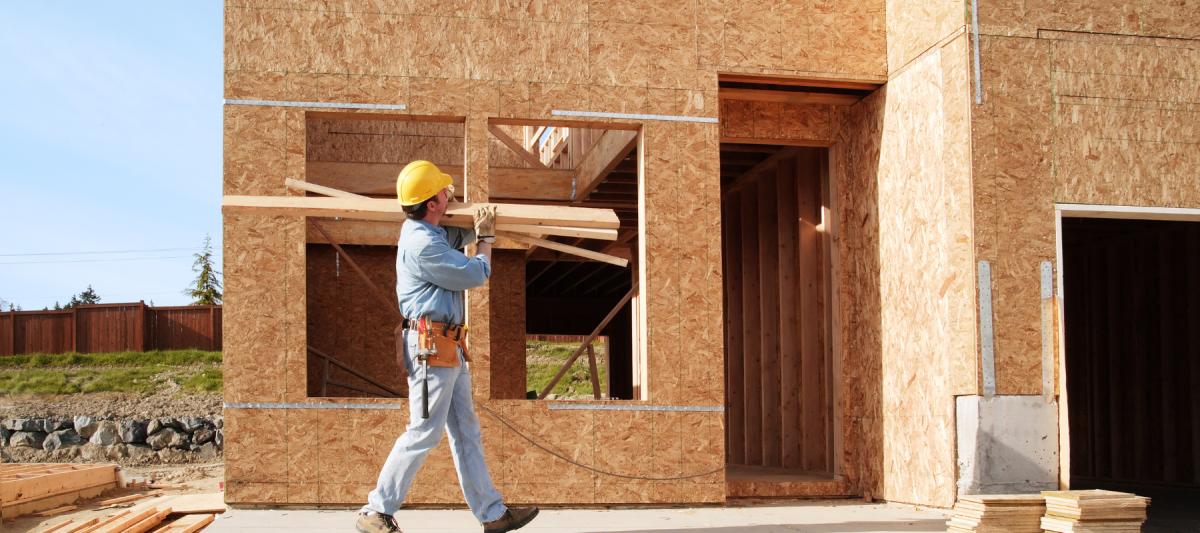
You've seen it happen. Someone bends down to grab a heavy load, twists wrong, and that's the day everything changes: a strained back, a pulled muscle, or worse. On job sites, lifting injuries are one of the most common and most preventable causes of lost work time. At Northwest Safety & Risk Services, we've worked alongside enough crews to know that protecting your body isn't just about following rules. It's about going home the same way you showed up.
Every worker should know about lifting correctly because your body has to carry you through a lot more years than any single job.
Before You Even Reach for the Load
Good lifting starts before your hands touch anything. Take a few seconds to assess the situation:
- Size up the load. If it looks heavy, test it first. Give it a gentle push or tilt to gauge the weight. If it's too heavy to lift alone, that's not weakness; that's judgment. Ask for help, or use the right equipment.
- Clear your path. Know where you're going before you pick anything up. Tripping or twisting mid-carry with a heavy load in your arms is a fast way to end up sidelined.
- Position your feet. Stand close to the load with your feet shoulder-width apart. A stable base is everything. One foot can be slightly in front of the other to help with balance.
The Lift Itself: Let Your Legs Do the Work
This is where most lifting injuries happen: in the moment of picking something up. Here's the proper sequence:
- Squat down to the load, don't bend at the waist. Keep your back straight and lower yourself by bending at the hips and knees. Think of it as sitting back into a squat, not folding over.
- Get a firm grip. Use your full hand not just your fingertips. If gloves are impairing your grip, address that before lifting.
- Keep the load close to your body. The further a load drifts from your center of gravity, the more stress you're putting on your lower back. Hold it tight to your torso.
- Lift with your legs. Straighten your knees and hips together in a smooth, controlled motion. No jerking, no rushing.
- Keep your core engaged. Tighten your abdominal muscles during the lift. Your core is your body's natural back brace. Use it.
While You're Carrying
The lift is only half the battle. How you carry matters just as much:
- Never twist your spine while carrying a load. If you need to change direction, move your feet. Pivot your whole body instead of rotating at the waist.
- Keep the load at waist height when possible. Carrying something too low strains your back; too high compromises your visibility and balance.
- Take the long way if it's the safe way. Don't try to navigate obstacles while carrying something heavy. Set the load down, clear the path, then continue.
Putting It Down
Lowering a load is just as injury-prone as picking one up. Reverse the lift: bend the knees, keep your back straight, and set the load down in a controlled, deliberate motion. Don't drop it, and don't let fatigue make you sloppy on the last foot of the job.
Team Lifts and Mechanical Assists
Not everything is a one-person job, and experienced workers know the difference. If a load exceeds 50 pounds, a team lift is generally the safer call, but communication is key. Designate one person to call the movements so you're lifting together, not against each other. For anything unwieldy or over your team's safe capacity, reach for the dolly, forklift, or lifting strap. That equipment exists for a reason.
The Big Picture
Back injuries don't always announce themselves dramatically. Often, it's years of small, accumulated stress, lifts done with a rounded back, loads carried too far from the body, that catch up with a worker down the road. The techniques above aren't complicated, but they require consistency. Build them into your daily habit on the job site, and you're investing in something no paycheck can replace: your long-term health and the ability to keep doing the work you're good at.
At Northwest Safety & Risk Services, our job is making sure yours stays safe. Train right, lift smart, and look out for the person working next to you.
Take the Next Step in Worksite Safety
Proper lifting is just one piece of a safer, stronger job site. Northwest Safety & Risk Services offers comprehensive worksite safety training courses designed for the realities of the field. Whether you're onboarding a new crew, refreshing your team's skills, or building a culture of safety from the ground up, our hands-on training programs give workers the knowledge and confidence to protect themselves and their teammates every single day.
Ready to invest in your crew? Contact Northwest Safety & Risk Services today to learn more about our available courses and find the right training program for your team.