
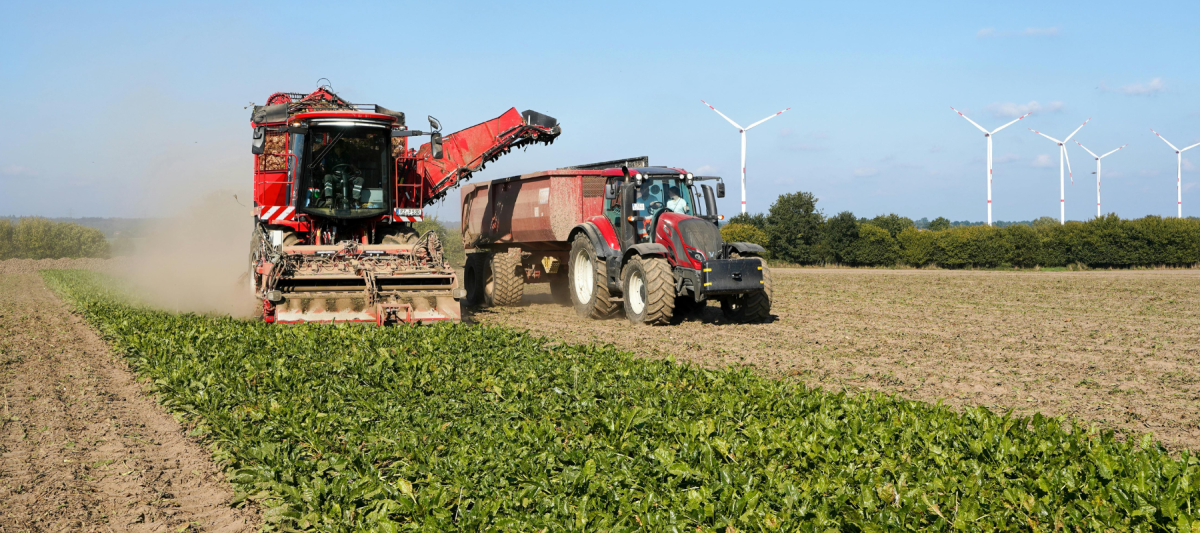
Agriculture forms the backbone of America's economy, feeding millions and supporting rural communities across the nation. However, behind the pastoral images of farms and fields lies a sobering reality: agriculture is ranked as the most dangerous industry in the United States, with a fatality rate seven times higher than all other industries combined. For employers in the agricultural sector, understanding these risks and implementing comprehensive safety measures isn't just a regulatory requirement, it's a moral imperative.
Understanding the Scope of Agricultural Hazards
The hazards involved in agriculture create an environment where farmworkers face constant risk of injuries and fatalities. Unlike many other industries, agricultural work combines multiple danger factors: heavy machinery, hazardous chemicals, unpredictable livestock, extreme weather conditions, and physically demanding tasks. These elements converge to create a perfect storm of potential workplace incidents that can have devastating consequences for workers and their families.
Beyond the immediate risks of accidental injury, agricultural workers are particularly susceptible to chronic health issues and fatal illnesses that develop over time. The cumulative effect of daily exposure to various hazards can lead to long-term health complications that may not manifest until years after initial exposure.
Common Safety and Health Risks in Agriculture
The agriculture industry faces numerous safety challenges that require specialized knowledge and attention. Equipment rollovers and Power Take-Off (PTO) incidents represent some of the most severe mechanical hazards, often resulting in catastrophic injuries or fatalities. Agricultural machinery, while essential for productivity, can become deadly when proper safety protocols aren't followed or when equipment isn't properly maintained.
Electrical hazards and engulfment dangers pose additional threats that many employers overlook. Workers operating near power lines with tall equipment or those working in grain bins face risks that demand specific safety training and awareness. Work-related lung diseases, including farmer's lung and other respiratory conditions, develop from prolonged exposure to dust, mold spores, and agricultural chemicals.
Noise-induced hearing loss affects countless agricultural workers who operate loud machinery without adequate hearing protection. Skin diseases result from contact with pesticides, fertilizers, and other chemicals, while certain cancers have been associated with chemical use and prolonged sun exposure. Unfortunately, the list of potential hazards continues well beyond these common examples, making comprehensive safety planning essential for every agricultural operation.
Creating a Culture of Agricultural Safety
Reducing agriculture-related injuries requires more than simply meeting minimum compliance standards. It demands a proactive approach that integrates safety into every aspect of farm operations. This is where specialized expertise becomes invaluable.
Northwest Safety and Risk Services stands as Idaho's top agricultural safety consultation firm, equipped with the knowledge and experience necessary to help employers create truly safe work environments. Their primary focus centers on one crucial goal: ensuring that every employee returns home safely at the end of each workday.
Comprehensive Safety Training Solutions
Effective agricultural safety requires targeted training that addresses the specific hazards workers encounter daily. Northwest Safety and Risk Services assists organizations with comprehensive safety training needs, including tractor and UTV operation, pesticide application, and respiratory protection programs. They provide guidance on cultivation and harvest activities, production equipment operation, and Lockout Tagout procedures that prevent machinery-related accidents.
Regular safety meetings ensure that awareness remains high and that workers stay informed about evolving best practices and potential hazards. This ongoing education approach helps maintain vigilance and reinforces the importance of safety protocols across all agricultural operations.
The Business Case for Agricultural Safety
Beyond the ethical imperative of protecting workers, implementing robust safety programs delivers tangible business benefits. Organizations that prioritize safety typically experience lower worker injury incidents, reduced worker compensation rates, and improved overall production. When workers feel protected and valued, productivity increases, turnover decreases, and the entire operation runs more efficiently.
Partner with the Experts
Agriculture will always involve inherent risks, but those risks can be significantly reduced through proper training, equipment maintenance, and a commitment to safety excellence. Northwest Safety and Risk Services brings specialized expertise to help agricultural employers navigate these challenges effectively.
Together we can make work safe. Contact Northwest Safety and Risk Services today for more information about agricultural safety consultation and training services. Investing in comprehensive safety programs protects your most valuable asset, your people, while strengthening your operation's long-term success and sustainability.