
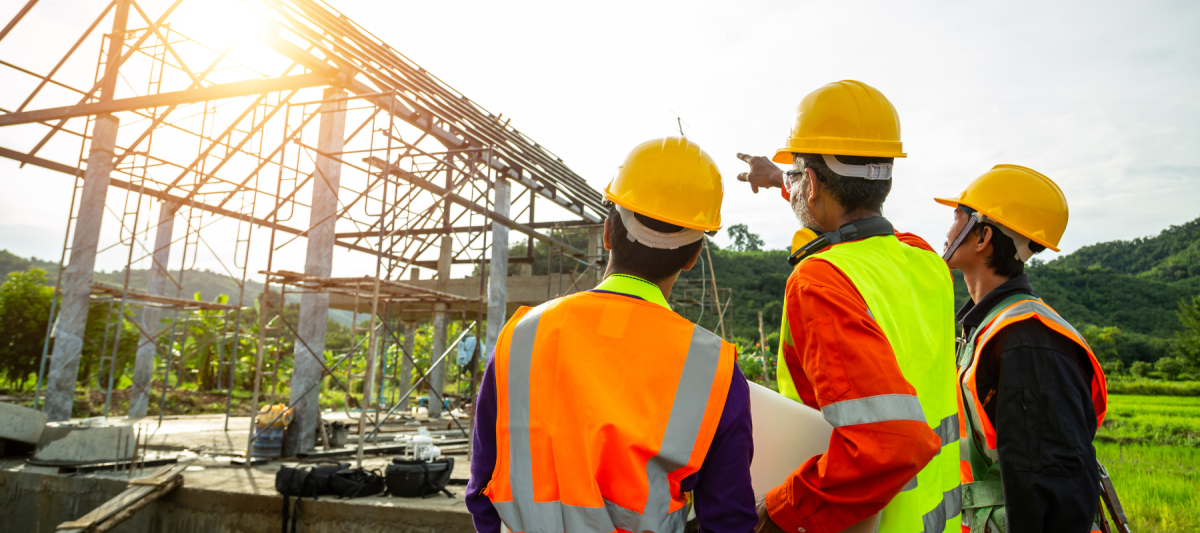
The construction industry relies heavily on Spanish-speaking workers, who now comprise approximately 30% of the U.S. construction workforce. Despite their vital contributions to building America's infrastructure, language barriers continue to pose significant safety risks on job sites across the country. When supervisors and workers cannot effectively communicate about hazards, procedures, and safety protocols, the consequences can be severe—ranging from minor injuries to fatal accidents that could have been prevented with clear communication.
Understanding the Critical Importance
Construction sites are inherently dangerous environments where split-second decisions and clear instructions can mean the difference between a safe workday and a tragic accident. When language barriers exist, workers may not fully understand safety briefings, hazard warnings, or emergency procedures. They might hesitate to report unsafe conditions or ask clarifying questions, fearing they won't be understood or will appear incompetent. This communication gap doesn't just affect individual workers—it creates risks for entire crews and can lead to costly project delays, OSHA violations, and devastating workplace accidents.
The financial and human costs of poor communication are staggering. Studies show that Hispanic workers experience higher rates of workplace fatalities than their non-Hispanic counterparts, with language barriers being a significant contributing factor. Beyond the immeasurable human toll, companies face workers' compensation claims, increased insurance premiums, potential lawsuits, and damaged reputations when preventable accidents occur due to communication failures.
Common Communication Pitfalls to Avoid
Many well-intentioned supervisors unknowingly create additional barriers when attempting to bridge the language gap. One frequent mistake is relying solely on translation apps or basic Spanish phrases without understanding context or pronunciation. Technical construction terms often don't translate directly, and mispronounced safety instructions can cause dangerous misunderstandings.
Another critical pitfall is assuming that one bilingual worker can serve as an interpreter for an entire crew. This approach places unfair responsibility on that individual and creates a game of "telephone" where crucial safety information may be lost or altered in translation. Additionally, regional dialects and varying Spanish vocabularies from different Latin American countries can complicate communication even among Spanish speakers.
Supervisors sometimes fall into the trap of speaking louder or slower in English, thinking this will improve comprehension. This approach is not only ineffective but can also be perceived as condescending, damaging the trust and respect essential for a safe working environment. Similarly, using overly simplified language or hand gestures alone may fail to convey the complexity and importance of safety procedures.
Strategies for Overcoming Communication Barriers
Creating effective communication starts with cultural awareness and respect. Successful supervisors recognize that many Spanish-speaking workers come from cultures with different communication styles and workplace hierarchies. Building trust through respectful interaction encourages workers to voice concerns and ask questions when they don't understand instructions.
Visual aids and demonstrations prove invaluable for conveying safety information across language barriers. Combining Spanish safety signage with pictograms, conducting hands-on safety demonstrations, and using color-coded systems for different hazard levels can significantly improve comprehension. Regular toolbox talks that incorporate both languages, supported by visual materials, ensure all workers receive consistent safety messaging.
Implementing a buddy system that pairs Spanish-speaking workers with bilingual colleagues can facilitate knowledge transfer while maintaining productivity. This approach creates natural mentorship opportunities and helps integrate safety culture throughout the workforce. Additionally, providing written safety materials in Spanish and encouraging workers to keep personal safety glossaries can reinforce verbal communications.
Technology can also play a supportive role when used appropriately. Professional translation services for critical safety documents, multilingual safety videos, and properly vetted translation apps for non-critical communications can supplement—though never replace—direct safety communication efforts.
Taking Action for Safer Jobsites
The construction industry's future depends on creating inclusive, safe environments where all workers can contribute their skills without unnecessary risk. Forward-thinking companies are investing in Spanish language safety training for their supervisory staff, recognizing that this investment pays dividends in reduced accidents, improved productivity, and stronger team cohesion.
Northwest Safety and Risk Services understands the critical need for effective cross-language communication in construction safety. That's why we've developed our comprehensive Communicating with Spanish-Speaking Workers for Construction Online Course. This specialized training equips English-speaking supervisors with essential Spanish safety vocabulary, pronunciation guidance, and cultural insights specific to construction environments. Rather than attempting to teach Spanish as a foreign language, this course focuses on the practical communication skills supervisors need to maintain safe jobsites.
Don't let language barriers compromise your jobsite safety. Invest in your supervisory team's ability to communicate effectively with all workers. Contact Northwest Safety and Risk Services today to learn more about our Communicating with Spanish-Speaking Workers for Construction Online Course and take the first step toward creating a safer, more inclusive workplace for your entire construction team.